When walking in a scenic spot, have you ever encountered the same problem - staring at the flat map for a long time, but still can't tell whether to go left or turn right? Traditional flat signage often seems inadequate in the face of complex terrain. Let’s talk about a solution to make the tour “alive”: 3D scenic spot signage design.
Why do scenic spots need 3D signage?
Imagine this scene: You stand at a fork in the road, with a trail leading to the waterfall on one side and a mountain road leading to the viewing platform on the other. Traditional flat signs can only tell you the direction, but 3D signs can intuitively show the difference in terrain between the two roads - the road leading to the waterfall actually requires going down several steps, while the viewing platform requires climbing a gentle slope. This three-dimensional presentation allows tourists to mentally prepare for the difficulty of the route before setting off, which greatly improves the tour experience.
I personally experienced this difference in a mountainous scenic area last year. When I saw the slope changes and the number of steps clearly marked on the 3D sign, I decisively chose the relatively gentle road. However, my friend who was traveling with me did not pay attention to these details and chose another route that "looked very close". As a result, I was very tired. This is the actual value of the 3D sign - it is not only beautiful, but also practical.
.jpg "立体导览新体验,景区3D指示标牌设计全解析")
Core elements of 3D scenic spot signage design
terrain integration degree Good 3D signs are not simply erecting floor plans, but must truly reflect the topographical features of the scenic spot. Designers need to conduct on-site inspections to grasp the altitude changes, path tortuosity and landscape distribution in different areas. For example, in mountainous areas, signs must highlight contour changes. ; In scenic spots with rich water systems, bridges, docks and water flow directions need to be clearly marked.
visual layering The charm of 3D design lies in the layers. The long shot, middle shot and close shot should be clear, and important scenic spots should be emphasized with prominent colors or three-dimensional shapes. However, attention should be paid to avoiding information overload - not just making everything three-dimensional is good, the key is to be focused and selective.
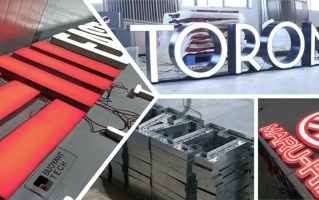
Coordination of materials and environment The sign itself is also part of the landscape. In ancient architectural scenic spots, imitation wood may be used with relief technology. ; In modern theme parks, colored acrylic or metal materials may be used. The materials must not only be durable, but also “match” with the surrounding environment and not appear obtrusive.
Multi-dimensional information integration In addition to spatial orientation, 3D signs can also integrate time information, such as using different colors to indicate the approximate time required to visit different areas, or using dynamic lights to indicate the current congestion level. This multi-dimensional information presentation allows signs to be upgraded from a simple "guidance tool" to a "tour assistant".
Several practical tips in the design process
Judging from the projects I have been involved in, there are several points that are particularly noteworthy.:
The scale should be realistic but not rigid , it is certainly accurate to be completely to scale, but sometimes it is necessary to moderately exaggerate key areas to make key information more eye-catching. This is like drawing a cartoon - it is more important to capture the characteristics than to be completely realistic.
Consider viewing effects from different viewing angles , visitors may view it from the front, from the side, or even from a high place. A good 3D signage should be able to clearly identify the main information from multiple angles.
Leave room for updates Scenic area facilities may be adjusted and new attractions may be added. The updateability of future information must be considered during design to avoid having to replace the entire signage just because of one change.
.jpg "立体导览新体验,景区3D指示标牌设计全解析")
Don’t forget the night effect , many scenic spots are also open at night, and built-in lighting or external spotlights must be planned in advance to ensure visibility at night.
Technical implementation and cost considerations
Nowadays, the technology for making 3D signs is very mature. From traditional engraving and casting to modern 3D printing and CNC cutting, there are many choices. Small scenic spots can start from key areas and gradually promote them. ; For large scenic spots, systematic layout can be considered to form a complete 3D navigation system.
In terms of cost, it is indeed higher than traditional signage, but considering its service life and improved visitor experience, the investment is worth it, and there are now some modular designs that can ensure effects while controlling costs.
Inspiration from actual cases
A scenic spot in an ancient town in Zhejiang completely updated its 3D indication system last year. Their approach is very interesting.: Not only did they make a three-dimensional map, but they also made miniature models of local characteristic buildings and integrated them on the signs. Tourists can not only find their way, but also "preview" the appearance of the scenic spots in advance. It is said that after this system was put online, the number of people asking for directions at the scenic area's information desk has been reduced by nearly 40%.
Another example is a forest park in the north. They added animal and plant icons to the 3D signage, using different patterns to indicate areas where you may encounter squirrels and woodpeckers. It is very popular with families with children. This design idea goes beyond the simple navigation function and increases science popularization and interest.
Possible future development directions
With the popularization of AR technology, future 3D signage may be more intelligent, imagine: Use your mobile phone to scan the sign, and you can see the virtual tour guide's explanation on the screen, or see the changes in the landscape in different seasons, and even recommend personalized routes based on your visit time.
But no matter how the technology changes, the core principles will not change: People-oriented, clear and practical, signage design is ultimately to serve tourists, not to show off skills.
write at the end
3D scenic area signage is not a trendy choice, but a practical need to improve the tour experience. It turns abstract directional information into intuitive spatial cognition, reduces tourists' decision-making costs, and makes tours easier and more interesting.
If you are planning a scenic tour guide system, you may wish to consider a 3D solution. The specific design should be determined based on the scenic spot characteristics, budget and actual needs. The key is to break away from the traditional thinking of "signs are iron signs with arrows" and truly think about what kind of tour guide is the most friendly and effective from the perspective of tourists.
A good navigation system should be one that you don’t need to pay attention to, but it can always give you just the right guidance when you need it. 3D signage is working hard in this direction, and its potential has just begun to show.