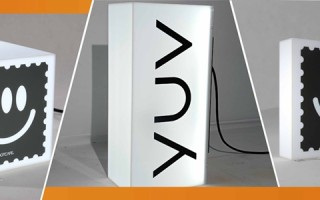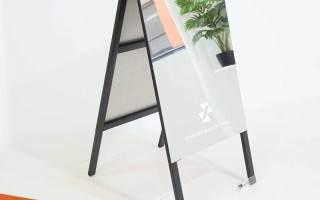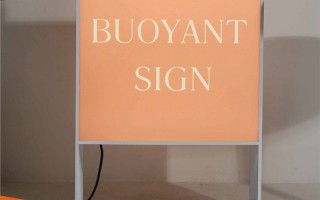
I was sorting out background data recently and found that the number of searches for computer case labels from our Shaanxi netizens has quietly increased. Hey, this is interesting. You said that the core of a case is heat dissipation, air ducts, and hardware compatibility. Why are people now starting to think about that little "face"? After chatting with several local DIY enthusiasts and case modification shop owners, I finally understood - this is no longer as simple as putting a label on it. In our land of Shaanxi, making a sign for a computer case creates a sense of hybridization of "technology grafted with local culture".
Let’s first talk about where the demand comes from. In the early years, branded computers dominated the world. The logo on the front panel of the chassis was an unshakable status symbol, but what about now? It’s a DIY world. Players carefully choose motherboards, graphics cards, cooling systems, and chassis with simple designs and strong expandability. As a result, the front panel is bare, which always feels like it’s missing a bit of soul and a sense of “this is my exclusive tank.” The need for a customized sign arises. This sign is the finishing touch, engraving the family emblem on the faceless armor.
Once the demand is there, and when it comes to implementation, the door will be much deeper. Especially in our Shaanxi province, you will find that the tastes of players are very "divisive" and very "unified".
.jpg "陕西电脑机箱标牌制作,当科技硬核遇上三秦匠心,你的机箱会说话!")
One is the ultimate technological future style. This type of players usually come from Xi'an High-tech Zone and University Town. The chassis may have cool water-cooled hardware with RGB lighting effects. They want signs and materials that they like. Acrylic light guide plate or Stainless steel plus CNC carving , LED lamp beads are buried under the acrylic sign, and connected to the divine light synchronization interface of the motherboard. The effect, breathing, gradient, and rhythm, is integrated with the light effect inside the chassis. Turning on the computer is like waking up a living being. The patterns of this kind of sign are often abstract lines, science fiction fonts, and mecha style. What the totem requires is the kind of coolness, precision, and energy full of calculated beauty. The production of such signs requires extremely high equipment precision and craftsmanship. Some small factories in Xi'an that specialize in precision processing are able to take over this "small but precise" work, and the things they produce are not inferior to those of the big factories in the south.
The other kind is full of unexpected "local feelings". This is what I think is the most interesting. I saw a player from Xianyang custom-made a sign made of brass. Instead of the common English logo, the four words "Fenglin Huoshan" were engraved in seal script, aged and inlaid. On the black chassis, which is calm and domineering, there is also a person from Baoji who simplified the "Kui Dragon Pattern" on the bronze into geometric lines, etched it with a laser on a dark gray aluminum alloy sign, and engraved a line of small characters "Zhaizi China" next to it (note: Originating from the inscription of He Zun on the Western Zhou Dynasty bronzes, which is one of the earliest sources of the word "China"), the cultural flavor and style are instantly full, not to mention the direct use of "Qin", "Shaanxi", "Tang" and other characters for artistic design, there is simply endless.
You see, this is very interesting. On one side is the cyber light and shadow heading towards the future, and on the other side are cultural symbols rooted in thousands of years. They meet without any violation on the modern technological carrier of "computer case". This may be the characteristic of our Shaanxi people.: It not only embraces the cutting-edge technology, but also always reserves the most solemn place for the rich culture left by our ancestors. This kind of mix and match may not necessarily be found in other places.
In Shaanxi, if you want to get such a distinctive chassis label, how do you usually get it?
.jpg "陕西电脑机箱标牌制作,当科技硬核遇上三秦匠心,你的机箱会说话!")
You have to have your own idea of the design draft , don’t tell the producer “It’s up to you,” as you’ll most likely be disappointed. It’s best to draw a sketch yourself using software (even a simple PS or online design tool), and think clearly about the fonts, patterns, approximate sizes and effects you want (such as whether to glow, what color light). Pattern elements can draw inspiration from the history and culture of Shaanxi, but be sure to make a modern and simplified secondary design. Directly pasting a complex silhouette of the Terracotta Warriors and Horses may not be effective.
Finding the right processing party is key , Xi'an's Yanta District, Weiyang District, and Baoji's Jintai District are home to many small and micro enterprises or studios that do metal processing, laser engraving, and acrylic craftsmanship. They may not specialize in "computer signage," but they have the equipment (laser cutting machines, CNC, etching machines) and processes that you can bring Communicate with clear design drafts and material requirements, and most of them can understand and implement them. Compared with the cookie-cutter templates on online shopping platforms, this kind of local communication and production is highly flexible and can also allow for some personalized craft attempts, such as trying the local "antique and distressed" treatment.
Let’s talk about material selection. In addition to the acrylic and metal mentioned above, there are actually some niche methods, such as using solid wood flakes (You can consider jujube wood from northern Shaanxi or walnut wood from Qinling Mountains), polish it, laser engrave it, and then apply a layer of varnish. The warm and moist texture cannot be replaced by cold metal. It is suitable for creating a host with a "literati atmosphere". It is also useful stone flakes (For example, some kind of bluestone produced in Hanzhong), it is more hard-core, but you have to consider the chassis structure and heat dissipation weight.
The installation method must also be thought out. The most common one is adhesive backing. But if you pursue the ultimate, you can discuss with the processor to reserve screw holes on the back of the sign and punch holes in the chassis panel for installation. This is more stable and has a more "industrial integration" feel. The wiring (if lighting is needed) must also be planned in advance, how it is concealed, and how it is connected to power. These details determine whether the final product is "modified" or "randomly installed."
To put it bluntly, the process of making a computer case sign in Shaanxi is like a small creation. What it tests is not how rich you are, but how unique your ideas are, and how willing you are to inject your personal aesthetic taste, and even your cultural perception of the land under your feet, into this small square inch. When your case lights up, that unique sign seems to be whispering.: Look, what is running here is not only the current of the silicon-based chip, but also an ancient and novel aura from the land of Sanqin.
Don’t let your chassis be “faceless” anymore. Give it a name, a symbol, and a starting point for a story that belongs to you and Shaanxi. This may be one of the ultimate joys of the DIY spirit.